Hi!
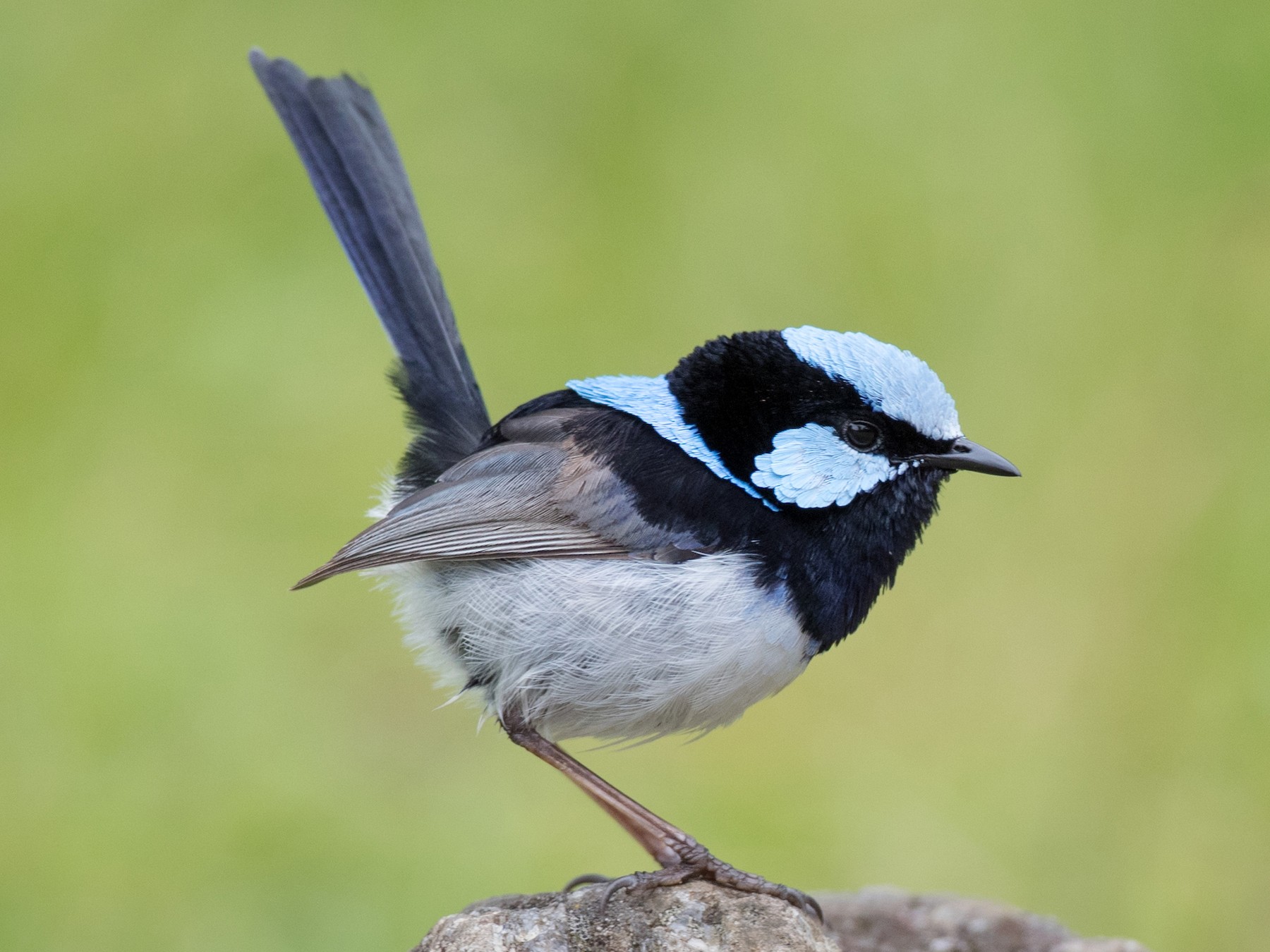
This week, I am going to be writing about (in my opinion at least,) THE CUTEST BIRD OF ALL TIME!!! I’ve been to Tasmania before, to a town called Launceston for about a week. I was with my family and in some kind of nature reserve park, (I don’t remember where or in which place exactly,) and we were just walking along a path, when I suddenly saw a…. yep! You guessed it! (Or maybe you didn’t, but if you looked at the picture then you must’ve,) A Superb Blue Fairy Wren, hopping along beside us. It was so cute! If you’ve ever seen one in person, in real life, then you must understand the feeling of cuteness I’m talking about. I saw them twice during my stay there, and I haven’t seen them in any other Australian state that I’ve been to so far. Anyway, if you want to find out more about this awesomely cute brightly coloured bird, then read on!⏬
SUPERB BLUE FAIRY WREN
So, there are actually ten types of Fairy Wren in Australia, some of which are: Superb Blue Fairy Wren, (the one which I’m writing about,) Splendid Blue Fairy Wren, Lovely Fairy Wren, (I know, they’re named weirdly, aren’t they! The first time I found out their names, I thought someone was just calling them superb or splendid!) Purple-Crowned Fairy Wren, (At last! A few proper names!) Red-Backed Fairy Wrens, White Winged Fairy Wrens, and so many more! Most of them have a bright, electric-blue plumage, but there are a few exceptions. Let’s get more into detail about the appearance of these tiny birds.
The Superb Blue Fairy Wrens have pale, baby-blue caps and a patch of blue in the middle of their necks, wings or back. They also have a white underside or belly with greyish-brown wings. Their chest, back, tails, eyes, beaks, and patches around their eyes that stretch into the back of their heads are all black. It’s actually usually only the males that have these bright coloured plumage, which, especially the blue, becomes even brighter during breeding season. Actually, when it’s not breeding season, they’re a dull brown, same as female wrens. All this bright colouring is just designed to attract females. The females don’t have this same colouring. Instead, they have light brown heads, wings and tail feathers with a creamy-white belly and orange feet with reddish-orange circly-patch (Okay, yes I made up that word but you understand what it means right?) type thingies around their eyes. And red-orange beaks. Other species of Fairy Wren obviously have different colouring though. 🙂 However, being blue comes with a cost.
Being brightly coloured is very important to male birds, to attract females of course. But being too brightly coloured, a colour like blue for example, can attract something, or or someone, more: Predators. Being blue makes it waaay too easy for predators to spot them. As a result, more time is spent looking out for predators than mates. And that’s bad. 😬 I don’t know much about this so I’m not writing too much about this whole predator thing but my point is that Wrens are tiny, and brightly coloured. (At least during breeding season.) So they’ve got to be careful.
So, I’ve said breeding season a lot in the last paragraph, let’s find out more about it!
Okay, the truth is, I don’t know much about the breeding season. But recently, I’ve heard a really awesome fact about male wrens and their eggs. Apparently, males sing to their babies inside the eggs, and the babies, recognizing their own father’s unique voice and song, emerge from their eggs!!! HOW COOL IS THAT?!! Also, wrens stay in groups with one dominant male and I think the rest are a mix of males and females? Usually, if there’s a predator, the dominant male could give either one of two types of calls. One of them says, “Hey! There’s a predator somewhere far away! Take precautions!” And one of them could say, “IMMIDEATE DANGER! DUCK! OR FLEE! OR RUN! OR TAKE SHELTER!” The group could either ignore the alarm, or do something. Males actually respond to the alarms during breeding season more. But an interesting fact is that if the alarm says, “Hey! There’s a predator somewhere far away! Take precautions!” then the males actually sometimes start singing to show females that they’re brave! Weird, right? I wouldn’t want to do that!
Here are a few more quick facts about Wrens before we go:
- Females lay 3-4 white eggs with red spots or splotches. They may lay 2 or more broods or sets of eggs if they’re successful. The eggs are usually incubated, which means sat on, for 2 weeks or 14 days.
- The calls they make can vary from small musical trills to loud clicks of their beaks.
- After the eggs hatch both adults will feed the chicks. The females will sleep with the chicks during this time and the males find another cavity in another tree nearby or a cavity on the same tree, just separate from the eggs.
- They like to eat insects and they live in groups that take turns foraging or looking for food.
Thanks for reading this week’s blog! I hope to see you next week!
 Kreeti's Creatures